SafeDrop, Abstellgenehmigung, Neighbor: How to Let Parcels Be Left Safely (Without Them “Disappearing”)
A simple guide to giving delivery permission the smart way: where parcels can be left, what to write, and how to reduce loss risks.
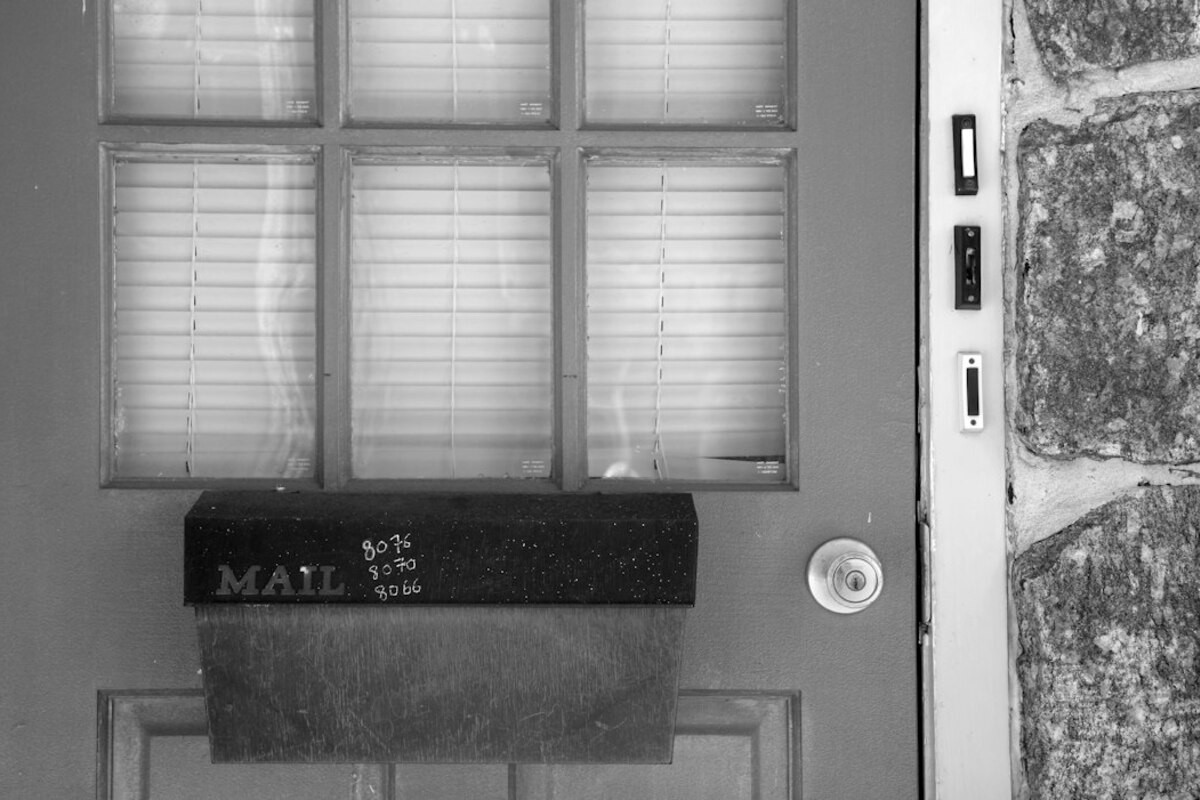
- “Leave it at the door” is vague—specific locations, visibility, and weather protection matter more than you think.
- A short, clear note with a precise spot and backup option can prevent most failed deliveries.
- Think like a courier: access, doorbells, names, and timing are the real reasons parcels go missing.
What “leave my parcel” really means (and why it sometimes goes wrong)
You order something online, track it all day, and then—missed delivery. Or worse: the tracking says “delivered”, but nothing is there. That’s where options like SafeDrop, delivery permission (often called “leave in a safe place”), Abstellgenehmigung, or “leave with a neighbor” come in.
The basic idea is simple: you allow the courier to leave a parcel without handing it to you personally. But in real life, that permission can be interpreted very differently depending on the building, the courier’s time pressure, and what “safe” looks like at your address.
Imagine two homes:
- Home A: a detached house with a covered porch and a lockable garden gate.
- Home B: an apartment building on a busy street with an unlocked front door and a shared hallway.
If both households simply write “leave at the door”, Home A might get a neat delivery behind a pillar under the roof. Home B might get a parcel in the entrance area that five other residents—and any visitor—can see. Same instruction, totally different risk.
Delivery permission is not magic; it’s a communication tool. The more clearly you communicate the “where” and “how”, the fewer surprises you’ll get later.

How to choose a “safe place” that is actually safe (quick checklist + examples)
When people think “safe”, they often mean “close to my door”. Couriers, meanwhile, think “fast, reachable, and not obviously wrong”. A good safe place satisfies three practical criteria: low visibility, weather protection, and easy access.
1) Low visibility (theft prevention)
If a parcel can be seen from the street or by random passers-by, it’s basically advertising. Even a small change helps: “behind the recycling bins” is usually better than “in front of the door”.
Real-life scenario: A courier arrives in 20 seconds, scans the parcel, looks around. If the only obvious flat surface is a doorstep in plain view, they’ll likely choose that. If you specify “behind the tall planter on the left side of the porch”, you’ve just guided their eyes to a safer option.
2) Weather protection (rain, snow, heat)
“Safe” also means “dry”. Cardboard doesn’t love rain. Electronics don’t either. Covered spots matter—especially in Austria where sudden showers are common.
Good: covered porch, carport, inside a dry shed, under an awning.
Risky: open staircases, doormats, top of mailboxes, anywhere exposed.
3) Easy access (so the courier actually uses it)
If reaching your safe spot requires climbing, moving heavy objects, entering private areas, or guessing which door is yours, couriers may ignore it. The best safe place is one that can be reached quickly and doesn’t require “problem-solving”.
Example: “In the garden” is vague. “Behind the right-side green bin inside the gate” is actionable—if the gate is open. If it’s locked, the plan fails. In that case, add a backup option.
| Instruction you write | What a courier might do | Better, clearer version |
|---|---|---|
| Leave at door | Places it visibly on the doorstep | Leave behind the large plant pot on the porch (not visible from street) |
| Leave in shed | Can’t find it; marks delivery failed or leaves outside | Leave in shed next to the driveway; door is unlocked; parcel goes on the shelf |
| Leave with neighbor | Tries one neighbor; if not home, returns later | Leave with Top 3, name “Kovac”; if unavailable, use safe place behind bins |
A quick “safe place score” you can do in 10 seconds
- Seen from street? If yes, downgrade the spot.
- Protected from rain? If no, downgrade the spot.
- Courier can reach it in under 20 seconds? If no, downgrade the spot.
If your best option scores poorly, consider switching to a neighbor, a parcel shop, or a locker for valuable items (like phones, laptops, or expensive cosmetics). Even a “safe place” can’t fully replace a handover.
What to write (copy-and-paste templates) + common mistakes that cause “delivered but missing”
The best delivery note reads like a mini set of directions. Short, specific, and friendly. Think of it like leaving instructions for a friend who has never been to your home and is in a hurry.
Template 1: House with porch / carport
Safe place: Please leave the parcel on the covered porch, behind the big planter (left side). Not visible from the street. Thank you.
Template 2: House with gate (sometimes locked)
If gate is open: Leave behind the green bin inside the gate (dry spot).
If gate is locked: Please leave with neighbor “Moser”, Nr. 12.
Template 3: Apartment building (busy entrance)
Please do not leave in the building entrance. Leave with neighbor Top 7, name “Sarić”. If unavailable, please attempt delivery again tomorrow.
Template 4: Work-from-home but in meetings
If I don’t answer: please leave the parcel behind the parcel box next to the mailbox. Ring once only. Thank you.
Common mistakes (and how to fix them)
- Too vague: “Leave somewhere safe.” Fix: name the exact spot and side (“left/right”, “behind/in”).
- Contradicting instructions: “Leave at neighbor” + “don’t ring neighbors.” Fix: choose one clear plan, add one backup.
- Hidden but inaccessible: “In the backyard” when the gate is locked. Fix: mention access (“gate is open”) or provide a second option.
- Unsafe for valuables: leaving expensive items at any semi-public location. Fix: choose handover, locker, or shop for high-value deliveries.
- Name/door confusion: multiple surnames, old nameplate, or no apartment number. Fix: ensure mailbox and doorbell match your delivery name; add apartment/top if relevant.
“Delivered” but you can’t find it: a calm, practical search plan
If tracking says delivered and you’re staring at an empty doorstep, don’t assume theft immediately. Many “missing” parcels are simply placed in a different logical spot.
- Check the safe place(s) you specified—then check the “courier logic” places: behind bins, under stairs, next to mailbox, inside porch area.
- Look for a delivery photo (some carriers provide it). Zoom in: plant pots, tiles, door mats can identify location.
- Ask immediate neighbors (left/right/above/below). Sometimes parcels are handed over quickly to keep routes moving.
- Re-check the label in your order confirmation: wrong house number or old address can still happen if your browser autofilled.
It’s best for low- to medium-value items and for addresses with a genuinely sheltered, low-visibility spot. For high-value items (electronics, jewelry, important documents), a handover or secure pickup option is usually safer.
It’s best for low- to medium-value items and for addresses with a genuinely sheltered, low-visibility spot. For high-value items (electronics, jewelry, important documents), a handover or secure pickup option is usually safer.
In many apartment buildings, a safe place is hard to make truly safe because entrances and hallways are shared. A trusted neighbor with a clear name and apartment number often works better—if they’re usually home and okay with it.
In many apartment buildings, a safe place is hard to make truly safe because entrances and hallways are shared. A trusted neighbor with a clear name and apartment number often works better—if they’re usually home and okay with it.
Make your instructions specific (exact spot), keep your doorbell/mailbox name consistent with the order, and add one backup option that still works if access is blocked (like a locked gate or closed entrance).
Make your instructions specific (exact spot), keep your doorbell/mailbox name consistent with the order, and add one backup option that still works if access is blocked (like a locked gate or closed entrance).
A small habit that makes a big difference: After you set a safe place once, stand outside your home and check if it’s visible from the street. If you can spot it instantly, so can everyone else. Adjust the spot, then update your delivery note. That one-minute change can save you hours of tracking, calling, and wondering where your parcel went.