Parcel Shops, Lockers, or Home Delivery? A Simple Guide to Choosing the Best Option for Your Address
Home delivery isn’t always the easiest. Learn when parcel lockers or pickup shops save time, how addresses are formatted, and what to write so your parcel lands in the right place.
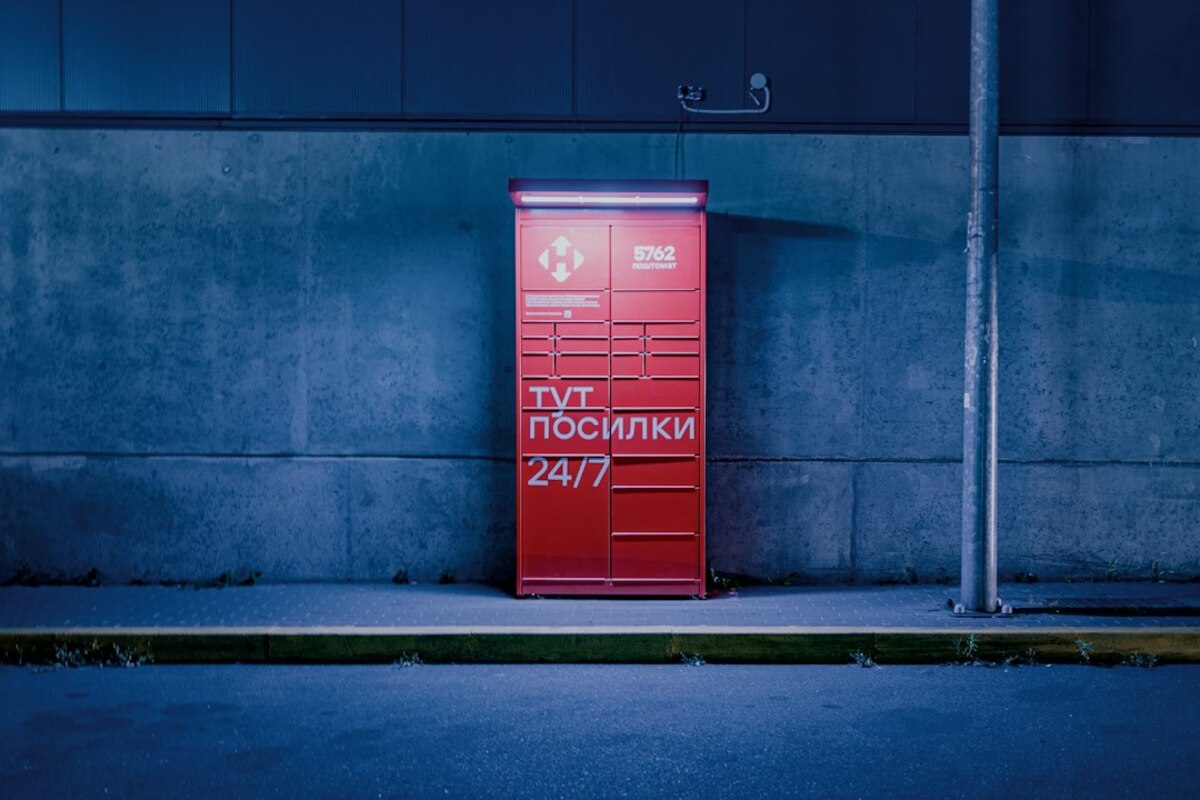
- Pick the best delivery method based on your building, schedule, and local access—not habit.
- Use the right address format for lockers and parcel shops so parcels don’t bounce back.
- Prevent common problems like “couldn’t deliver” notes with tiny details (bell name, stairwell, floor, phone).
Why this choice suddenly matters (and why people argue about it)
Five years ago, “delivery” usually meant one thing: the driver rings, you open the door, done. Today, many people split their week between office, home office, and errands. Buildings have locked entrances. Some streets have limited parking. And drivers often have less time per stop. That’s why the simple question “Where should I deliver your parcel?” has become a small life decision.
If you’ve ever watched a tracking page go from “Out for delivery” to “Could not be delivered” without anyone ringing, you’ve felt the pain. Often it isn’t because someone did something wrong—your address might be correct, but your delivery situation is tricky: no name on the bell, no safe place to leave a parcel, the entrance door is always locked, or you’re rarely home at delivery times.
Think of delivery options like choosing where to meet a friend in a busy city. Meeting “at your place” is nice when it works—but meeting at a café near your commute might be more reliable. Parcel lockers and parcel shops are basically that café: predictable, reachable, and open when you need them.

The three options in real life: what they’re great at—and where they fail
Let’s compare the three most common delivery choices people see at checkout: home delivery, parcel shop pickup (a partner store), and parcel locker (automated pickup). Each can be the “best” depending on your everyday routine.
| Option | Best for | Typical weak spot | Small detail that makes it work |
|---|---|---|---|
| Home delivery | People who are often home, households with someone available, easy-access buildings | Missed delivery attempts, no safe drop-off, name mismatch at the bell | Exact bell name + stairwell/floor info + phone number if allowed |
| Parcel shop | People who pass a shop daily (near work, school, transit), those who want human handover | Shop opening hours, queues, ID requirements | Correct shop ID / partner number + your name exactly as on your ID |
| Parcel locker | Busy schedules, unpredictable days, people who want 24/7 pickup (where available) | Locker full, strict formatting, code/app required | Correct locker address block + customer/receiver number if your carrier needs it |
Scenario A: The “always locked” apartment building. You live in a building where the main door locks automatically and couriers can’t reach the inner doorbells. Even if you’re home, you may not hear the building intercom. In this case, home delivery is fragile. A parcel shop or locker turns delivery into a reliable pickup you control.
Scenario B: The “I’m home, but it still fails” mystery. Your tracking says attempted delivery, but nobody rang. This often happens when the driver can’t match your name to the bell/door, can’t find the right stairwell, or can’t enter. Adding a clear “c/o” line, stairwell letter, and floor can fix it—or you avoid the whole problem with a locker.
Scenario C: The “gift delivery” problem. You want a present delivered discreetly, or you don’t want it sitting in a hallway. Parcel shops and lockers reduce the risk of parcels being seen, misplaced, or taken.
So the question isn’t “Which is best?” It’s “Which one fits my address and my week?” The next sections help you decide quickly—and fill out the address fields in a way that delivery systems understand.
Address formats that actually work (home, shop, locker) + quick fixes for common mistakes
Many delivery failures aren’t dramatic mistakes like a wrong postcode. They’re small formatting issues: missing apartment details, a different name on the bell, or putting locker information into the wrong line of the form. Online shops also limit what you can type—so you need to use the available fields strategically.
1) Home delivery: make your address “driver-proof”
Imagine you’re the driver seeing 120 stops on a handheld device. You want the address to answer three questions instantly: “Where is it?”, “Who is it for?”, “How do I reach them?”
- Name consistency: Use the same receiver name that’s on the mailbox/bell. If your account name differs (e.g., nickname), deliveries can fail in buildings where drivers check labels.
- Apartment details: Add stairwell, floor, door number, or apartment number. If the form has an “Address line 2”, use it for this.
- c/o and shared households: If your name isn’t on the bell (e.g., you live with a partner), write “c/o [Name on bell]” in the second line. Example: “c/o Novak”.
- Door codes and security: Only include access codes if you’re comfortable sharing them and it’s allowed. Some carriers and merchants discourage this for security reasons.
A practical mini-template for home delivery (example formatting):
- Name: Alex Müller
- Street + number: Examplegasse 12
- Address line 2: Stiege B, 3. Stock, Tür 12
- Postcode + city: 1010 Wien
2) Parcel shop delivery: treat it like sending to a “mini branch”
Parcel shops (partner stores) work because they’re easy to find and staffed—but they rely on correct identification. The shop must know the parcel is for you, not for the shop owner.
Typical rules that trip people up:
- Your name must match your ID. If you use initials, a nickname, or a different surname, pickup can be refused.
- Shop identifiers matter. Some carriers use a shop number/ID that must appear in the address block so routing systems send the parcel to the right location.
- Keep the pickup window in mind. Shops may return parcels after a certain number of days if you don’t collect them.
Example address structure (conceptual):
- Name: Alex Müller
- Additional line: ParcelShop [Shop-ID / location note]
- Street + number: Shopstreet 5
- Postcode + city: 1010 Wien
Tip: Many checkout systems have a “deliver to pickup point” selector that auto-fills the shop address. Use that whenever possible instead of typing manually. Manual typing increases the chance of missing the shop ID or formatting it into the wrong field.
3) Parcel lockers: the address is the key—literally
Lockers feel magical: the courier drops parcels in a compartment and you open it with a code or app. But lockers are strict because everything is automated. If a carrier needs a receiver number, customer ID, or locker ID and it’s missing, the parcel may not be routed correctly.
Common locker-related issues:
- Locker is full: The driver may redirect to a nearby locker or a shop. If you picked a specific locker because it’s near your home, check notifications so you don’t walk to the wrong one.
- Wrong field placement: Putting the locker ID into “company name” can work in some systems and fail in others. If the merchant offers an official locker selection tool, use it.
- Receiver number missing: Some networks require a unique customer number so the system knows who should receive the pickup code.
How to decide in under 60 seconds (a simple checklist)
- If you miss deliveries more than once a month: switch your default to a locker or parcel shop.
- If your building entrance is often locked or confusing: locker/shop avoids the access problem.
- If you buy high-value items: prefer locker or shop (less time unattended).
- If you need the parcel ASAP and you’re home: home delivery can be fastest—if your address details are complete.
Add a “c/o” line with the name that is on the bell (for example: “c/o Novak”). Or use a parcel locker/shop where the pickup is verified by code/ID instead of door labels.
Add a “c/o” line with the name that is on the bell (for example: “c/o Novak”). Or use a parcel locker/shop where the pickup is verified by code/ID instead of door labels.
If the driver can’t reach you quickly (locked entrance, unclear bell name, no response), they may choose the fastest successful handover. Clear bell naming and extra address details help—otherwise choose locker/shop to keep control.
If the driver can’t reach you quickly (locked entrance, unclear bell name, no response), they may choose the fastest successful handover. Clear bell naming and extra address details help—otherwise choose locker/shop to keep control.
Often yes, because parcels aren’t left in hallways. But lockers can be full, and pickup codes live on your phone or email—so use strong account security and notifications. For very expensive items, a staffed parcel shop can be a good middle ground.
Often yes, because parcels aren’t left in hallways. But lockers can be full, and pickup codes live on your phone or email—so use strong account security and notifications. For very expensive items, a staffed parcel shop can be a good middle ground.
A small habit that improves every option: When a checkout form offers an “Address line 2” or “Delivery notes” field, treat it like a sticky note to a busy person. Short, concrete, and relevant beats long explanations. “Stiege B, 3. Stock, Tür 12” helps. “Please be careful, I’m often home, ring twice, thanks” usually doesn’t.
One last real-life example: You order a laptop on Tuesday. If you choose home delivery, it might arrive Wednesday midday—when you’re in a meeting. If you choose a parcel locker near your subway stop, you can pick it up Wednesday evening without coordinating anything. Same postcode, same city, two very different outcomes.