Wrong ZIP, Wrong Place: How a Single Digit Can Send Your Package Across Austria
A tiny typo in a Postleitzahl can reroute mail, confuse navigation, and delay deliveries. Here’s why it happens—and how to avoid it.
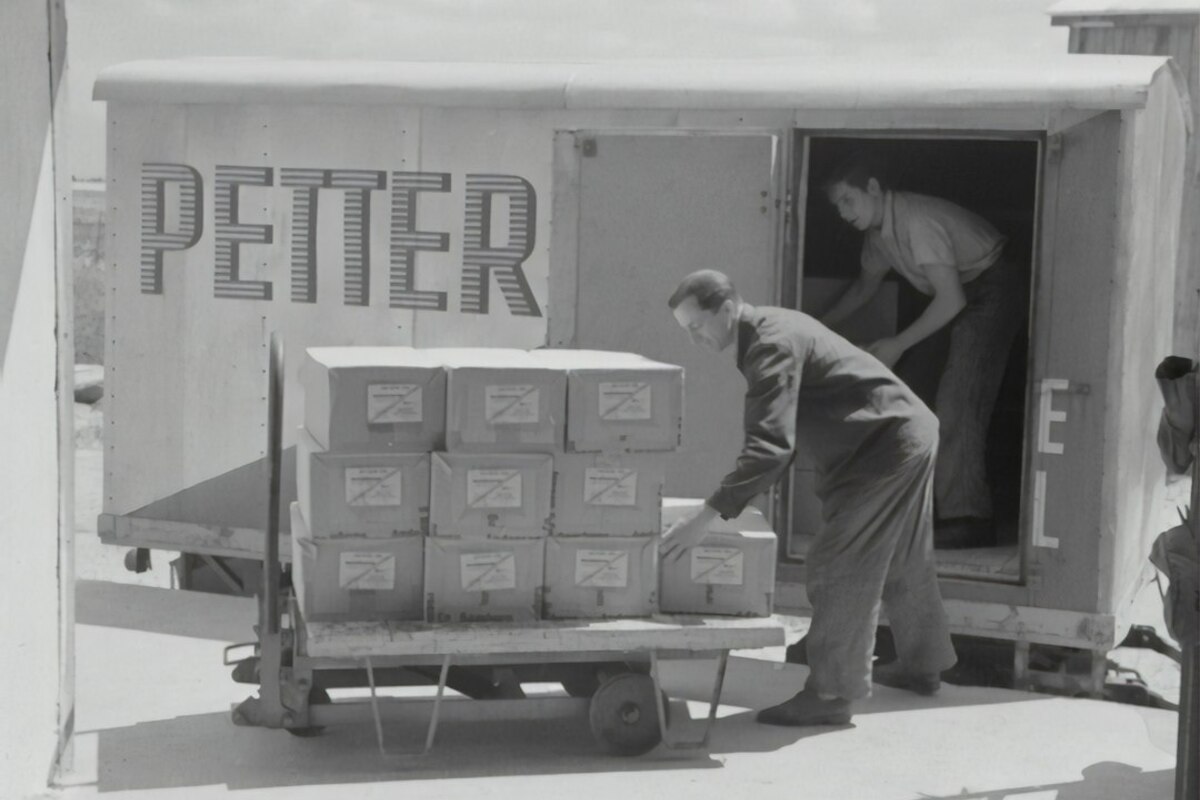
- A single wrong digit can route a letter into a different sorting “lane” before anyone reads the street name
- Similar place names and neighboring ZIPs are a common source of mix-ups—especially with autofill
- Simple habits (cross-checking city + ZIP, using the full address line, adding key hints) drastically reduce errors
The “one-digit” problem: why ZIP codes matter more than you think
Imagine this: you order a replacement laptop charger on Monday. On Tuesday, the tracking page says “out for delivery”. You stay home, listen for the bell, check the hallway twice. Nothing arrives. On Wednesday you get a message: “Delivery attempt failed” or “address could not be found”. You look at the shipping confirmation and spot it: one digit in the Postleitzahl (ZIP code) is wrong.
That sounds minor—like a typo that a human can easily fix. But a ZIP code is not just decoration. In modern logistics it’s a routing shortcut. It tells the delivery system which direction to push an item before a person ever considers the street name or door number. Think of it like getting onto the correct motorway at the start of a long trip. If you take the wrong motorway, you can still theoretically reach the destination—but you’ve already lost time and you might end up far away before anyone notices.
In day-to-day life, we use Postleitzahlen in more places than we realize: online shops, package labels, appointment letters, insurance forms, map apps, ride-hailing pickups, job applications, and even spam filters or fraud checks. That means a wrong ZIP doesn’t just delay parcels. It can cause missed appointments, incorrect service availability, and forms that reject your address.

What actually happens when a ZIP is wrong (a realistic delivery journey)
To understand the “why”, it helps to picture a simple journey. A parcel or letter typically goes through several steps: acceptance, sorting, transport, local distribution, and final delivery. The ZIP code is heavily used at the sorting stages—exactly where speed matters most.
Here’s a realistic scenario, simplified so it’s easy to follow:
- Step 1: Label is scanned. Machines and software read address lines. The ZIP code is a strong signal because it’s standardized and short.
- Step 2: Item is routed by region. Based on the ZIP, the system assigns the parcel to a route, a hub, or a “lane” going to a certain area.
- Step 3: Local sorting tries to match the rest. Once it arrives in the “wrong” area, the street and town may not match. Sometimes the system or staff can correct it; sometimes it bounces to a clarification process.
- Step 4: Best-case vs. worst-case. Best-case: someone spots the mismatch and re-labels/re-routes it. Worst-case: it goes out for delivery in the wrong place and returns as undeliverable.
Why not always fix it automatically? Because Austria—like any country—has edge cases: similar street names across towns, identical house numbers, local naming conventions, and addresses that are incomplete. If the ZIP points to Town A, but the street belongs to Town B, a system has to decide which part to trust. And logistics systems tend to trust the part that’s easiest to standardize: the ZIP.
Also, mistakes rarely happen in isolation. A wrong ZIP often comes with another small issue:
- Town name spelled differently than expected
- Missing district or sub-locality
- Autofill choosing an old address
- Phone number missing, making it harder to clarify
That combination turns “one wrong digit” into a longer detour.
| What you typed | What the system may assume | Typical outcome |
|---|---|---|
| Correct street + house number, wrong ZIP | Delivery area based on ZIP | Parcel goes to the wrong region first; delay while corrected |
| Correct ZIP, slightly wrong street spelling | Same local area; likely a close match | Often delivered anyway, or quickly clarified locally |
| Wrong ZIP + missing town name | ZIP is the only strong signal | High risk of misrouting or return |
| Correct ZIP, wrong town name | Conflict between ZIP and town | May be flagged; manual check needed |
One practical takeaway: if you must choose which part to double-check, the ZIP is a good candidate—because it heavily influences the early routing decisions.
Why ZIP mistakes happen so often (and how to prevent them in real life)
If wrong ZIP codes cause so much trouble, why do they happen so frequently? Usually not because people don’t know their own area—but because everyday habits and interfaces invite tiny errors.
1) Autofill and “helpful” address suggestions
You start typing your street and your browser fills an older address. Or the shop remembers the last delivery location (maybe your office, not your home). Or your phone suggests a saved contact with a different ZIP. You click “continue” quickly, because everything else looks correct.
Small habit that helps: after autofill, glance specifically at the ZIP + town line. Treat it like checking the recipient name before sending an email.
2) Similar place names and shared street names
Many towns share the same street names: “Hauptstraße”, “Bahnhofstraße”, “Kirchenweg”. If the ZIP points elsewhere, a system can’t rely on street name alone. Even humans get confused when they see a familiar street name and assume it’s the one near them.
Small habit that helps: include an extra clue when possible—like the district, a company name, or a c/o line. It gives the last-mile courier a reality check.
3) “One digit off” from copying or typing fast
It’s common to transpose digits (e.g., typing 4020 as 4200) or hit a neighbor key on mobile. ZIP codes are short, so one mistake changes a lot. Unlike a long street name where one wrong character still leaves lots of context, a four-digit code has little redundancy.
Small habit that helps: say the ZIP out loud while typing it. It sounds silly, but it slows you down just enough to prevent the most common errors.
4) Moving house (or ordering while traveling)
The first weeks after a move are prime time for wrong ZIPs: old addresses are still stored in apps, friends reuse old contact cards, and you may mix “billing” and “shipping” addresses. Also, if you order something while staying with family, you might accidentally pair their street with your own ZIP.
Small habit that helps: rename saved addresses in shops (e.g., “Home (new)”, “Office”, “Parents”) so you don’t rely on memory.
5) Confusion between municipality, district, and locality names
Some addresses include locality names that don’t match what people consider the “main” town name. You might write what locals say, while official addressing expects a different place name line. Most of the time it still works—until the ZIP is wrong and the system loses its anchor.
Small habit that helps: if you’re unsure, look up the ZIP by the exact place name used in official mail you’ve received (letters from authorities, utility bills, etc.).
Sometimes yes—especially within the same local delivery area. But the ZIP code can determine which depot and which route the parcel reaches in the first place. If it lands in a different area, the “correct” street may not exist there, and it becomes a correction task rather than a normal delivery.
Sometimes yes—especially within the same local delivery area. But the ZIP code can determine which depot and which route the parcel reaches in the first place. If it lands in a different area, the “correct” street may not exist there, and it becomes a correction task rather than a normal delivery.
Many shops validate addresses by checking whether ZIP and town match known combinations. It’s an error-prevention step: it reduces returns and failed deliveries. If your ZIP/town pairing is unusual or inconsistent, the form may block checkout to avoid problems later.
Many shops validate addresses by checking whether ZIP and town match known combinations. It’s an error-prevention step: it reduces returns and failed deliveries. If your ZIP/town pairing is unusual or inconsistent, the form may block checkout to avoid problems later.
Cross-check two fields, not one: verify that the ZIP matches the town name you wrote. If you’re copying an address from a message, compare it to an older correct letter/package label. The goal is to avoid pairing the right street with the wrong town/ZIP combination.
Cross-check two fields, not one: verify that the ZIP matches the town name you wrote. If you’re copying an address from a message, compare it to an older correct letter/package label. The goal is to avoid pairing the right street with the wrong town/ZIP combination.
One last practical scenario, because it’s so common: you’re sending something to a friend who texts you their address. You copy-paste it, but your phone inserts an old ZIP from your clipboard history or a previous form. The address looks “complete”, so you don’t notice. A quick mental check—“Does this ZIP belong to that town?”—can save days.
In other words: a ZIP code is small, but it’s a strong steering wheel. When it points the wrong way, the rest of the address has to fight uphill to correct the course.