One Postcode, Many Doors: Why Big Buildings Use “Extra” Postleitzahlen
Ever noticed a hospital or university using a different postcode than the street outside? Here’s why “special” PLZ exist—and how they affect deliveries, forms, and navigation.
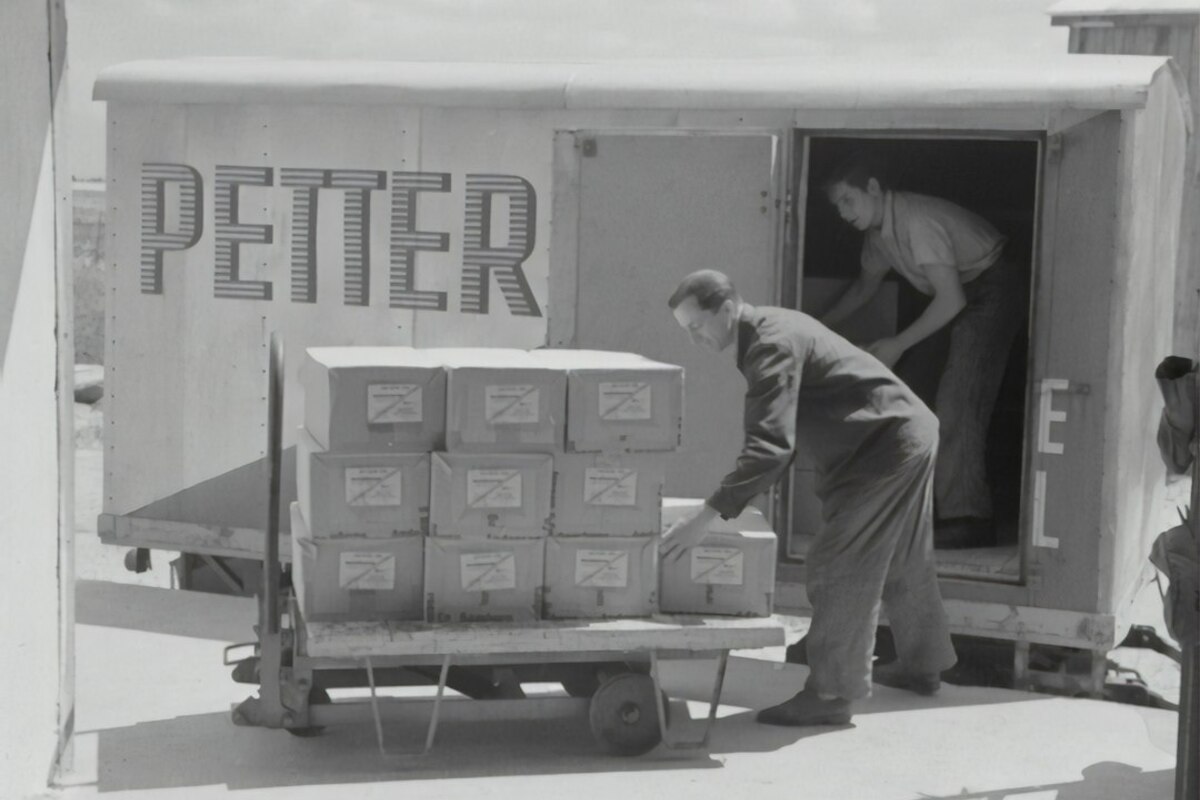
- Large institutions may get their own PLZ to sort mail faster and reduce delivery errors.
- A “special” postcode can be correct even if it looks different from the surrounding neighborhood.
- Knowing when to use the institution’s PLZ vs. the street PLZ can prevent lost letters, failed online orders, and misrouted visitors.
That moment when the postcode doesn’t match the neighborhood
You’re sending documents to a hospital. You type the street name into an online form, and the postcode auto-fills with what you expected for that district. Then you look at the hospital’s website and it shows a different Postleitzahl. Same street. Same city. Different PLZ.
It feels like a mistake—until you realize: for certain places, a “different” postcode is not only normal, it’s a practical tool that helps thousands of items reach the right door every day.
These “extra” postcodes (often used by large hospitals, universities, government complexes, major companies, and sometimes big residential developments) exist for a simple reason: some addresses generate so much mail and so many parcels that the regular neighborhood sorting logic becomes inefficient or too error-prone.
Think of it like this: a normal PLZ is a signpost for a whole area. But a huge institution is more like a small town within that area—multiple buildings, entrances, departments, and internal mail routes. Giving it a dedicated PLZ is like giving that mini-town its own signpost.

What a “special” PLZ actually does (and why post offices like it)
Postcodes are primarily a sorting shortcut. They’re designed to guide items through the postal network quickly: region → city → delivery zone → route. In most everyday cases, one postcode per neighborhood (or part of a city) is enough.
But the reality of delivery work is messy. Some recipients receive an unusual volume of mail:
- Hospitals (patient letters, labs, suppliers, parcels, registered mail)
- Universities (departments, institutes, admissions, exam offices)
- Large employers (HR, finance, logistics, multiple reception points)
- Public administrations (citizen services, courts, offices with strict routing)
If all of that arrives under the same general neighborhood PLZ, the local sorting and delivery steps can become a bottleneck. A dedicated postcode can help in a few very down-to-earth ways:
1) Faster, cleaner sorting
Instead of mixing an institution’s mail with the entire surrounding district, the postal system can separate it earlier and route it as its own “bundle.” That saves time and reduces mis-sorts.
2) Fewer “almost correct” deliveries
Big campuses often share similar street names, building numbers, or entrances. A special PLZ acts like an extra filter so items land with the institution’s internal mailroom rather than bouncing between nearby routes.
3) Better internal distribution
Many large recipients have their own internal mail logistics. When the mail consistently arrives grouped and labeled in a predictable way, it can be distributed to wards, departments, and offices more reliably.
It’s similar to how airports have their own codes (VIE for Vienna) even though they’re physically in a broader region. The code doesn’t change geography—it changes how routing is handled.
| Scenario | Neighborhood PLZ (typical) | Institution PLZ (typical) | Why it helps |
|---|---|---|---|
| Regular household in a street | Used for the whole area | Usually not applicable | Keeps routing simple for everyday stops |
| Large hospital campus | May still work, but can be slower | Often recommended by the hospital | Separates high volume and reduces department mix-ups |
| University with many institutes | Can cause confusion across buildings | Sometimes provided for central mail intake | Improves delivery to the right internal mailroom |
| Company HQ with multiple entrances | Works for visitors | May exist for mail/parcels | Helps carriers find the correct receiving point |
The important takeaway: a dedicated PLZ is not “more correct” in a moral sense. It’s more useful for certain recipients because it makes the routing system behave differently.
Everyday situations where this matters (online forms, navigation, and returns)
Most people don’t notice special postcodes until something breaks: an online order won’t go through, a letter gets delayed, or a taxi driver ends up at the wrong entrance. Here are a few realistic mini-scenarios—and what’s happening behind the scenes.
Scenario A: The online checkout insists your PLZ is “wrong”
You’re ordering a device for a clinic department. You enter the institution’s preferred postcode from their website. The shop’s address validator (often based on a commercial database) doesn’t recognize it and tries to “correct” it to the surrounding neighborhood PLZ.
What you can do:
- Try the institution’s official address format exactly as listed (some organizations publish a standard address for deliveries).
- If the checkout refuses, use the regular street PLZ but add clear internal routing in Address Line 2 (e.g., “Central Receiving / Building X / Dept. Y”).
- For time-sensitive deliveries, consider calling the recipient’s logistics/mailroom and ask which format works best for couriers vs. letters.
Scenario B: Two colleagues argue over which PLZ is correct
One colleague uses the street’s postcode from a map app. Another uses the postcode shown in an email signature from the institution. Both can be “right” depending on the delivery channel.
A practical rule of thumb:
- Letters and official documents: follow the recipient’s published address format (often includes a dedicated PLZ if available).
- Visitors and taxis: navigation apps may perform better with the standard street PLZ and a specific entrance name.
- Parcels/couriers: prioritize the address format that points to the correct receiving point (mailroom, goods-in, reception).
Scenario C: Returns and “undeliverable” items
Some parcels get returned not because the street doesn’t exist, but because the item ends up at the wrong receiving place on a large campus—especially when a company has multiple drop-off points.
Small improvements that make a big difference:
- Add a phone number for the receiving office when possible.
- Use department names that match signage (“Radiology”, “Admissions”, “Hausverwaltung”) instead of internal abbreviations.
- Include building identifiers (House/Block/Building letters) if the campus uses them.
Scenario D: You’re moving into a huge residential complex
Newer developments sometimes have delivery setups that behave like mini-neighborhoods: multiple entrances, shared parcel lockers, or on-site management offices. While not every complex gets a special PLZ, the “many doors, one destination” problem is similar.
If you notice repeated delivery issues, check whether the property management provides a preferred addressing format (sometimes including hints about which entrance to use) and keep it consistent across online accounts.
It’s better for routing to that institution—especially for letters and bulk deliveries—because it helps sorting systems and delivery staff treat it as a distinct destination. For visitors or navigation, the regular street PLZ can sometimes be more intuitive.
It’s better for routing to that institution—especially for letters and bulk deliveries—because it helps sorting systems and delivery staff treat it as a distinct destination. For visitors or navigation, the regular street PLZ can sometimes be more intuitive.
Many checkouts use third-party address databases or strict validation rules that lag behind reality or simplify “one street = one PLZ.” If the database doesn’t list the special PLZ, the form may reject it or auto-replace it.
Many checkouts use third-party address databases or strict validation rules that lag behind reality or simplify “one street = one PLZ.” If the database doesn’t list the special PLZ, the form may reject it or auto-replace it.
Use the recipient’s official address format (website, invoice footer, email signature) for mail and deliveries. If you’re sending to a specific department, add a clear internal routing line (department + building/entrance). When in doubt, calling the central reception/mailroom saves more time than guessing.
Use the recipient’s official address format (website, invoice footer, email signature) for mail and deliveries. If you’re sending to a specific department, add a clear internal routing line (department + building/entrance). When in doubt, calling the central reception/mailroom saves more time than guessing.
Once you know these “extra” Postleitzahlen exist, they start to make everyday sense. They aren’t there to confuse people—they’re there because one campus can function like an entire delivery district, with more doors, more stops, and more chances for a parcel to end up at the wrong reception desk.