Why So Many People Move to Austria’s “Speckgürtel” (and What It Changes)
The “Speckgürtel” around Vienna, Graz & Linz is booming. Here’s what draws people there, what it costs, and how daily life changes.
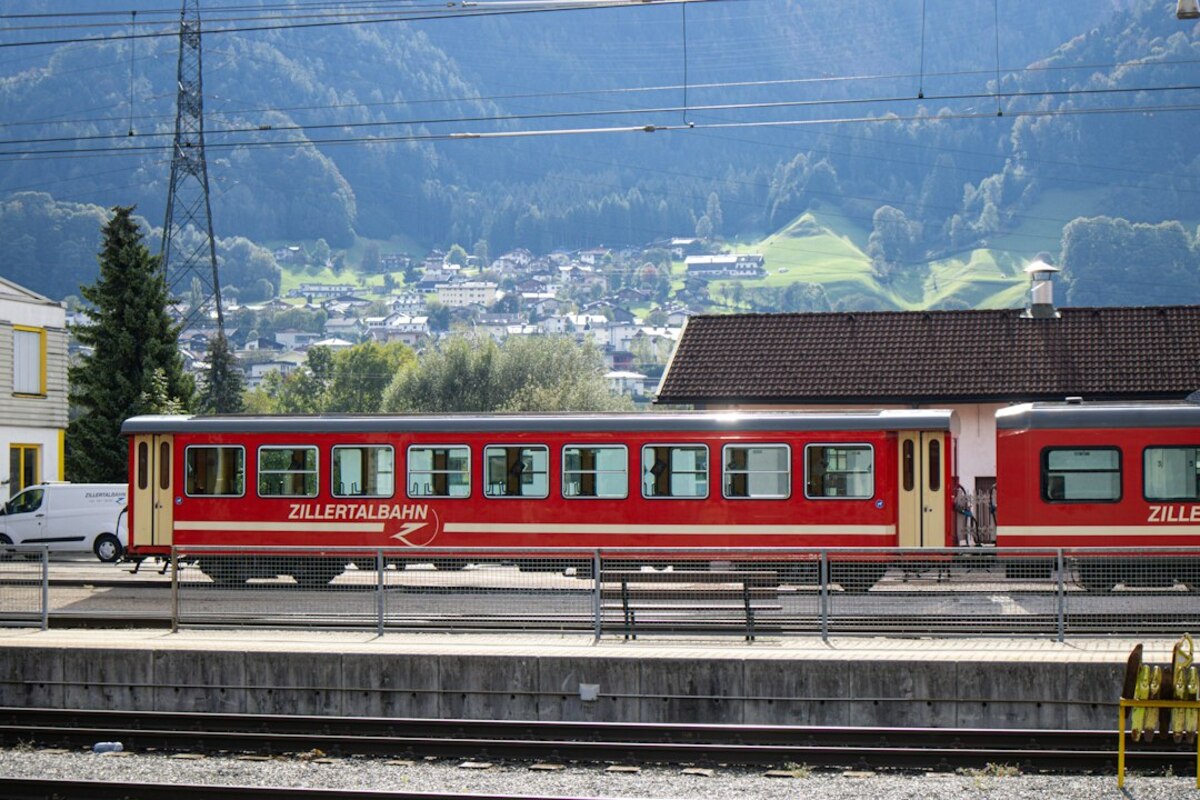
- The “Speckgürtel” is driven by space, schools, and rail links—but traffic and prices often follow fast.
- Postcodes can reveal patterns: new housing areas, commuter corridors, and where services struggle to keep up.
- Before moving, it helps to think in routines (commute, errands, childcare) rather than just rent or purchase price.
What exactly is the “Speckgürtel”?
In Austria, people use the word “Speckgürtel” (literally “bacon belt”) for the ring of towns and municipalities just outside a big city—close enough to commute, but far enough to offer more space and a different rhythm of life. It’s not a strict administrative border. Instead, it’s a lived reality: areas where many residents work or study in the city, while sleeping, shopping, and raising kids in the surrounding towns.
You can picture it like a pond: the city is the center, and the “Speckgürtel” is where the ripples become streets full of morning commuters. When rents rise inside the city, or when families want a garden, the ripple moves outward. Sometimes it moves quickly—especially when a new rail connection improves, or when a new housing project opens up on former fields.
For everyday life, the “Speckgürtel” matters because it changes how people move and where services are needed. A neighborhood that was once mostly farmland can suddenly need a kindergarten, a bigger school, more frequent buses, a new supermarket, and better medical coverage—while also dealing with more traffic and higher land prices.
- Typical signs you’re in a Speckgürtel area: lots of new housing, busy park-and-ride lots, commuter trains packed at rush hour, and “family” infrastructure growing fast.
- It’s not only Vienna: Graz, Linz, Salzburg, Innsbruck and other regional centers all have their own growing commuter belts.
- Postcodes are a clue: if you track where new addresses appear and where commuting flows intensify, you often see the Speckgürtel expanding.
Imagine a real-life scenario: Lea and Thomas rent a 70 m² apartment in the city. After their second child, they start looking for a place with a third room. In the city, that might mean a big jump in rent—or a smaller apartment in an older building with fewer green spaces. One train stop out, they suddenly see newer apartments, more playgrounds, and a quieter evening atmosphere. That’s the Speckgürtel promise in one sentence: more space for the same money—at least at first glance.

Why it’s booming now: space, connections, and everyday routines
The growth of Speckgürtel areas isn’t about one single reason. It’s usually a bundle of everyday decisions that add up across thousands of households.
1) The “space calculator” kicks in. The most common trigger is simple: people want more room. A home office corner, a second child, a hobby that doesn’t fit in a small apartment—suddenly square meters become a daily topic. In many city markets, each additional room can feel disproportionately expensive. In the commuter belt, the same budget might buy an extra room, a balcony, or even a small garden.
2) Transport links make it feel close. A town that is “30 minutes to the city” behaves very differently depending on how those 30 minutes work. If it’s a reliable train every 15 minutes, the city feels near. If it’s a car commute with a bottleneck motorway exit and unpredictable traffic, it can feel far—even if the map distance is short.
3) Life logistics matter more than headlines. People don’t move to a postcode; they move to a routine. The question is not only “How do I get to work?” but also:
- Childcare: Is there a kindergarten place? How are the opening hours?
- Errands: Can I buy groceries without a car? Is there a pharmacy nearby?
- Care: How far is the next GP, dentist, or pediatrician?
- Time buffers: What happens when the train is cancelled or the motorway is blocked?
Here’s a quick comparison that many movers experience:
| Everyday topic | Typical city pattern | Typical Speckgürtel pattern |
|---|---|---|
| Commute | Shorter distance, more options (tram, metro, bike) | Often longer distance, but fast if rail is good; car dependence can rise |
| Living space | Smaller homes, higher €/m² | More space per budget (though prices can catch up) |
| Errands | Many shops close by, often walkable | Can be convenient (new retail) but sometimes requires driving |
| Social life | More spontaneous meetups, cultural events nearby | More planning; local community can feel strong once established |
4) Remote and hybrid work changes the math. If you only commute two or three days a week, a longer travel time becomes “tolerable” for more people. That doesn’t mean commuting stops being stressful—but it changes the trade-off. People might accept a longer commute in exchange for more living space, because they don’t pay that commute cost every day.
5) New housing arrives in waves. Large building projects—apartment blocks near stations, new single-family home areas, “mixed-use” developments—can shift an entire municipality within a few years. One new development brings hundreds of new residents, who bring new demands: school places, GP capacity, sports clubs, and sometimes political debates about growth.
What changes when a postcode becomes “hot”: prices, traffic, and local identity
Speckgürtel growth often feels positive at first: more families, more services, better public transport frequency. But growth also comes with friction—and it usually shows up in the same few places.
Housing prices and rents tend to climb quickly. If demand rises faster than supply, prices react. This can be surprising for locals: people who grew up in a town may find that buying a home there becomes harder, because the market now includes city buyers with higher budgets. Even rentals can tighten. The result is a “second wave” effect: as the first commuter belt gets expensive, demand pushes further out, creating a new outer ring.
Traffic patterns can change a town’s daily mood. More residents often means more cars—especially if jobs remain in the city and public transport options are limited. You might see:
- busier morning queues at motorway ramps,
- full park-and-ride lots by 7:30,
- more pressure on local roads that were designed for village traffic,
- new debates about speed limits, cycling lanes, and school routes.
Services can lag behind population growth. A new supermarket might arrive quickly, but a new school wing or a new medical practice can take longer. Municipalities have to plan and finance infrastructure, often while juggling limited space, budget constraints, and residents who disagree about how fast the town should grow.
Local identity becomes a topic. When many new residents arrive within a short time, the community can feel like it’s “changing character.” Long-term locals might worry about losing village traditions, while newcomers may feel they don’t fully belong yet. This is where everyday touchpoints matter: sports clubs, volunteer fire brigades, school events, and simple neighborly routines can either bridge the gap—or highlight it.
Not automatically. It can be cheaper per square meter, but total costs depend on commuting, car ownership, heating standards, and how “hot” the area already is. Some commuter-belt towns now rival city prices, especially near fast rail links.
Not automatically. It can be cheaper per square meter, but total costs depend on commuting, car ownership, heating standards, and how “hot” the area already is. Some commuter-belt towns now rival city prices, especially near fast rail links.
How quickly “small” logistics add up: driving kids to activities, coordinating train times, planning shopping trips, and having fewer spontaneous options. Many people love the calm—but miss the convenience.
How quickly “small” logistics add up: driving kids to activities, coordinating train times, planning shopping trips, and having fewer spontaneous options. Many people love the calm—but miss the convenience.
Often, yes—indirectly. If a postcode area suddenly gains many new addresses, new residential streets, or a surge in delivery traffic, it can indicate rapid development. Combined with commuting routes, postcodes help make these shifts visible.
Often, yes—indirectly. If a postcode area suddenly gains many new addresses, new residential streets, or a surge in delivery traffic, it can indicate rapid development. Combined with commuting routes, postcodes help make these shifts visible.
One more everyday scenario shows the trade-off clearly: Martin moves from a city apartment to a new-build home in a commuter town. Weeknights feel calmer and he finally has a workspace. But after a few months, he notices that he drives more than expected: to the gym, to meet friends, to a specialist doctor, even to buy certain items he used to pick up around the corner. Nothing is “far,” but everything requires planning. This is why Speckgürtel living is best understood as a shift in daily rhythm, not just a change of address.
If you’re researching places to live, a helpful approach is to think in time budgets rather than just distance: How many minutes does it take to get to work on a rainy Tuesday? How long does it take to reach childcare, groceries, and a GP without stress? When a postcode moves from “quiet edge” to “in demand,” these everyday time budgets are often what changes first—and what people feel most strongly.