Apartment Numbers Done Right: Small Details That Save Your Parcel (and Your Nerves)
Missing “Stiege”, unclear door numbers, or a hidden floor can turn a simple delivery into a guessing game. Here’s how to write apartment details so people find you fast.
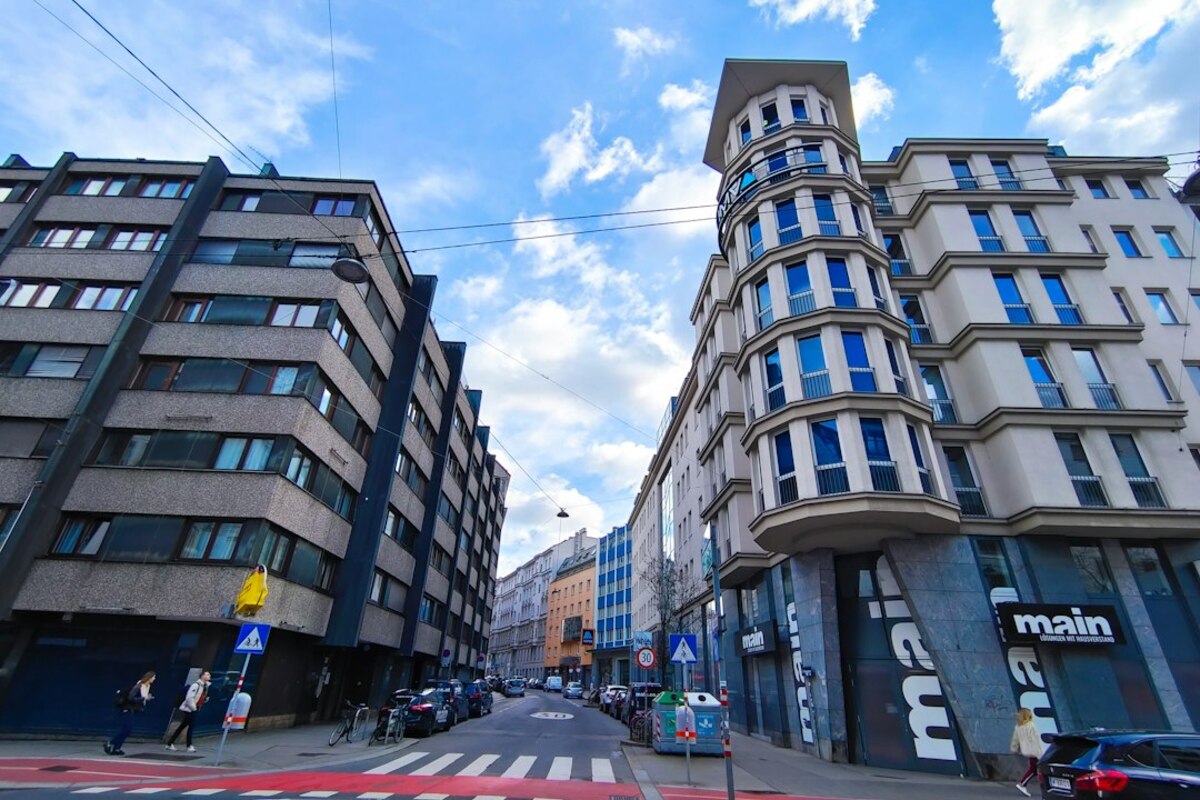
- A complete apartment address isn’t “extra”—it’s the part that gets drivers, visitors, and emergency services to the right door.
- Use a consistent order (staircase/entrance → floor → door/apartment) and keep it readable for humans and scanners.
- Tiny habits—like adding a door code in the right place or avoiding creative punctuation—reduce failed deliveries dramatically.
Why apartment details matter more than you think
You order something online, you’re home all day, and then you get the message: “Delivery attempt failed.” The parcel wasn’t lost. The driver simply couldn’t find your door quickly enough.
In apartment buildings, the street and house number only get someone to the building—not to you. The final steps (which entrance, which staircase, which floor, which door) are where things often break down. And they break down for very normal reasons:
- Multiple entrances: The building might have “Stiege A/B” or separate staircases on different sides.
- Different numbering systems: Some buildings label doors as “Top 12”, others as “Tür 12”, “Whg. 12”, or even “12/3”.
- Time pressure: A delivery driver might have 100+ stops. If your door isn’t easy to identify in under a minute, you’re at risk of a failed attempt.
- Mixed signals: What you type into a webshop might get split into fields (street, address line 2, notes). If the important part is in the wrong field, it might not reach the label.
Think of your address like a set of directions for a friend who’s never been to your building. “Meet me at the house” isn’t enough. You’d say: “Use the left entrance, third floor, door 12.” That’s exactly what your address should communicate—clearly and consistently.

The most readable order: entrance → floor → door (with real examples)
When people struggle with apartment addressing, it’s rarely because the information is missing entirely—it’s because it’s scattered, out of order, or written in a way that’s hard to parse at speed.
A simple rule that works well for everyday use: go from outside to inside.
Outside → inside typically means:
- Street + house number (gets you to the building)
- Entrance / staircase / block (gets you to the correct entry point)
- Floor (narrows it down)
- Door / apartment / “Top” (the final target)
Here’s a practical formatting approach that stays readable on labels and in apps:
| Situation | What people often write | Clearer version (outside → inside) |
|---|---|---|
| Building with staircases | “Top 18, Stg B” | “Stiege B, Top 18” |
| Entrance + floor + door | “3/12, Entrance left” | “Entrance left, 3rd floor, Door 12” |
| Complex door numbering | “12-3” | “Floor 3, Apartment 12” (or “Door 12” if that’s what the bell says) |
| Corner buildings (two streets) | “Backside” | “Entrance on [Streetname], Staircase A” |
Mini-scenario: Imagine a driver arrives at a large building with two entrances. The label says “Top 18.” That’s not enough—Top 18 could exist behind either entrance. If the label says “Stiege B, Top 18,” the driver goes straight to the right staircase and saves minutes. Over a day, those minutes decide whether the driver has time to ring twice—or must move on.
What if you don’t know the official wording? Use what’s on the building signage and doorbells. If the bells say “Top”, write “Top”. If they say “Tür”, write “Tür”. Matching the building’s own “language” reduces confusion.
Where to put door codes, names, and delivery hints (so they don’t get lost)
Apartment addresses often fail not because the information is wrong, but because it ends up in a place that never reaches the person who needs it.
Many online forms have separate fields like:
- Address line 1 (street + house number)
- Address line 2 (apartment details)
- Delivery notes (instructions for the driver)
Sounds neat—but different shops and shipping systems handle these fields differently. Sometimes “notes” don’t print on the shipping label. Sometimes “address line 2” is truncated after a certain length. That’s why it helps to think in priorities.
Priority 1 (must be on the label): things needed to identify your door.
- Staircase/entrance/block (“Stiege B”, “Entrance 2”)
- Floor (if it meaningfully helps)
- Door/apartment number (“Top 18”)
- Name on the bell (if different from the recipient name)
Priority 2 (helpful but not always label-worthy): access tips.
- Door code / intercom instruction (only if necessary)
- “Call when outside” or “leave at neighbor” (if you trust that)
- Landmarks like “glass door next to bakery” (short and concrete)
Door codes: be careful and practical. A code in the wrong place can be ignored, and a code that’s too detailed can be a privacy risk. If a code is essential, keep it short and put it where drivers see it—usually in delivery notes. If a shop is known to print notes on labels, you can add it there; otherwise, treat it as “notes only.”
Names matter more than people expect. In many buildings, delivery staff look for a name on the bell, not an apartment number. Problems happen when:
- the order is under a nickname, but the bell shows a legal surname
- the recipient name is correct, but the bell shows a partner/flatmate’s name
- the building lists company names at the entrance, not personal names
If the bell name differs, add a short hint in the apartment line, e.g. “Bell: Moser” or “c/o Moser”. Keep it simple—no stories.
Use what your building uses on doorbells and signage. The goal is instant recognition. If bells say “Top 18”, writing “Top 18” is faster to match than “Apt 18”.
Use what your building uses on doorbells and signage. The goal is instant recognition. If bells say “Top 18”, writing “Top 18” is faster to match than “Apt 18”.
Sometimes yes. If door numbers restart per floor or are not visible from the stairs, floor info saves time. If your building has clear continuous numbering and visible signs, it’s optional—but rarely harmful if kept short.
Sometimes yes. If door numbers restart per floor or are not visible from the stairs, floor info saves time. If your building has clear continuous numbering and visible signs, it’s optional—but rarely harmful if kept short.
Mixing everything into one confusing string or putting critical info into “notes” that never reach the label. Keep the apartment line clean and structured (entrance → floor → door), and reserve notes for access tips.
Mixing everything into one confusing string or putting critical info into “notes” that never reach the label. Keep the apartment line clean and structured (entrance → floor → door), and reserve notes for access tips.
A quick “copy & paste” template for everyday use (adapt to what your building calls things):
- Address line 1: Streetname 12
- Address line 2: Staircase B, 3rd floor, Top 18 (Bell: Moser)
- Delivery notes: Intercom code 1234, please ring “Moser”
One more small habit that helps: avoid creative punctuation and long improvisations like “behind the green gate, then right, then left.” Labels get shortened, apps display them differently, and drivers read them while walking. Short, structured fragments beat paragraphs every time.
When your apartment details are written in a clean outside-to-inside order, you’re not just helping a delivery driver. You’re also making it easier for guests, technicians, food delivery, postal services, and anyone who needs to find you quickly—without phone calls, guessing, or missed rings.